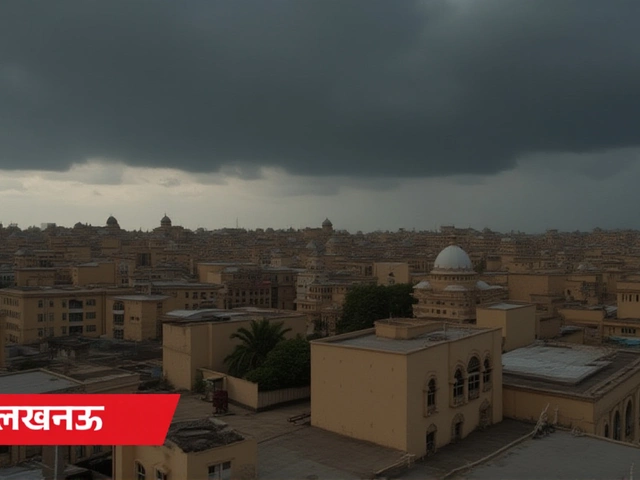
When Uttar Pradesh was hit by a severe cyclonic storm last week, the results were chaotic and deadly. Winds gusting up to 80 km/h tore through 22 districts, leaving at least seven people dead in this specific wave of violence.
The destruction wasn't just statistical. It was visceral. A 100-foot industrial chimney collapsed, leaving a massive water tank dangling precariously from its remains. In another incident, a wedding mandap (tent) was literally blown away while guests watched in horror. These aren't isolated accidents; they're symptoms of a state grappling with increasingly erratic weather patterns.
Structural Failures and Close Calls
The most striking image from the disaster zone involves infrastructure failure. An industrial chimney, standing approximately 100 feet tall, gave way under the pressure of the high-velocity winds. The collapse didn't end there. A large water tank attached to the structure remained suspended in mid-air, hanging by threads of steel and hope. Residents nearby reported hearing the groan of metal before the crash, a sound that signals imminent danger.
"We thought it would fall completely," said one local resident who wished to remain anonymous. "Seeing it hang there for hours created a panic. No one knew if it would drop on our homes." Emergency crews had to cordon off the area, fearing a secondary collapse that could have caused far more casualties.
Meanwhile, in a scene that looked like something out of an action movie, a wedding celebration was interrupted when the entire mandap structure was lifted off its foundation. Built from lightweight steel and tarpaulin, these temporary structures are notoriously vulnerable to sudden wind shifts. The tent flew several meters into the air before crashing down. Miraculously, no fatalities were reported from this specific incident, though several guests suffered minor injuries from debris.
A Viral Moment of Terror
In Bareilly, a video has gone viral showing a young man, locally known as "Nanne Miya," being carried away by the wind along with a corrugated tin sheet. The footage shows him soaring roughly 50 feet into the air before landing safely on soft ground. His subsequent interview, where he admitted, "I don't know where I landed," captures the disorientation and fear experienced by many during the storm.
This incident highlights the deceptive power of wind. At 80 km/h, the force is enough to lift heavy objects and destabilize even anchored structures. Meteorologists note that such gusts are becoming more frequent in pre-monsoon periods, catching residents off guard.
The Human Toll Across 22 Districts
While the initial reports focused on the dramatic structural failures, the human cost is significant. Official counts confirm at least seven deaths directly linked to this specific storm event. However, broader reports suggest the toll may be higher when accounting for related incidents across the region over the past few days.
Some sources cite a cumulative death toll of 111 across Uttar Pradesh, with Prayagraj bearing the brunt, reporting 21 fatalities alone. This discrepancy often arises because different agencies track data over varying timeframes. While the headline figure of seven refers to the immediate impact of the latest gale, the higher numbers include deaths from flooding, electrocution, and falling trees over a wider period.
In total, 72 people have been injured, and 227 houses have been damaged or destroyed. Many of these homes were made of mud or tin, offering little resistance to the fury of the storm. Power lines snapped, plunging thousands into darkness and complicating rescue efforts.

Government Response and Future Alerts
India Meteorological Department (IMD) has issued continued alerts for the region. Officials warn that similar conditions may persist, urging citizens to avoid open areas and stay indoors during peak wind hours. District administrations are currently engaged in relief work, clearing fallen trees, restoring electricity, and assessing property damage.
"The administration is working round the clock," stated a district official. "Our priority is ensuring safety and providing immediate aid to affected families." Compensation packages for victims are expected to follow standard protocols, though specific amounts have not yet been announced.
As the cleanup begins, the question remains: Is our infrastructure prepared for such extremes? The dangling water tank and the airborne wedding tent serve as stark reminders that nature’s power is unpredictable. For now, residents of Uttar Pradesh are left to rebuild, wary of the next gust.
Frequently Asked Questions
How many people died in the recent Uttar Pradesh storm?
At least seven people died specifically in the recent wave of cyclonic storms that caused the chimney collapse and wedding tent incident. However, some broader reports citing a cumulative toll over several days mention up to 111 deaths across the state, with Prayagraj recording the highest number of fatalities.
What happened to the 100-foot chimney?
A 100-foot industrial chimney collapsed due to high winds reaching 80 km/h. A large water tank attached to the structure did not fall completely but remained suspended in mid-air, creating a dangerous situation that required emergency cordoning of the area to prevent further casualties.
Which districts were affected by the storm?
The storm impacted 22 districts across Uttar Pradesh. Key areas mentioned in reports include Bareilly, where a man was seen flying with a tin sheet, and Prayagraj, which reported significant loss of life. Other districts faced power outages, tree falls, and house damage.
Is the weather expected to improve soon?
The India Meteorological Department (IMD) has issued continued alerts, warning that similar windy and rainy conditions may persist for the coming days. Residents are advised to remain cautious and avoid unnecessary travel until the alert is lifted.