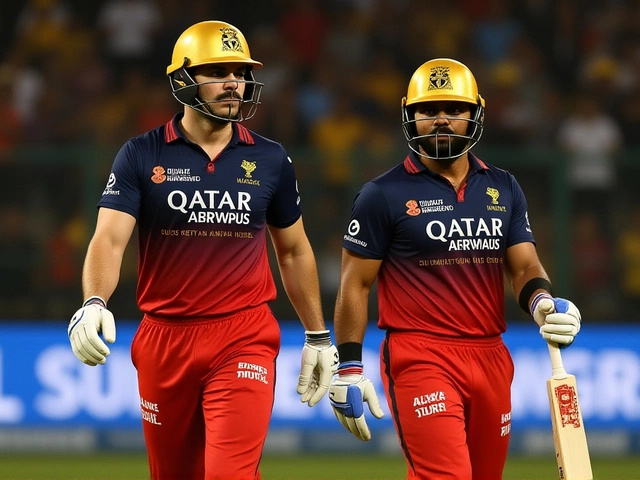
When Pakistan Cricket Board hosted the third T20I of its tri-nation series in Rawalpindi on November 22, 2025, few expected a performance this dominant. But Sahibzada Farhan didn’t just play a match—he rewrote the script. His blistering 80 not out off 45 balls, laced with six fours and five sixes, turned what looked like a tight chase into a procession. Pakistan won by seven wickets with 27 balls to spare, crushing Sri Lanka after they were bowled out for just 128. And the architect of that collapse? Mohammad Nawaz, whose 4-0-16-3 spell earned him Player of the Match. The Rawalpindi Cricket Stadium buzzed with the kind of energy only a home crowd can generate—loud, proud, and utterly convinced.
Why Sri Lanka Crumbled
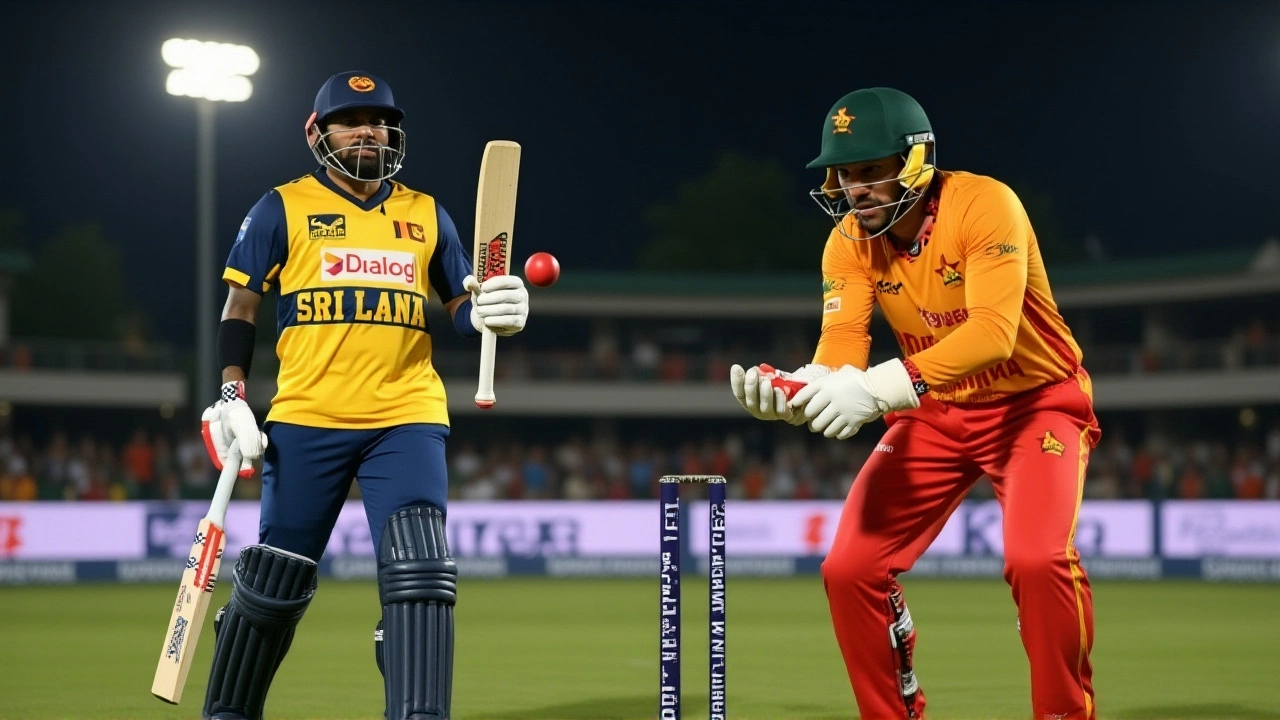
Sri Lanka’s innings never found rhythm. Captain Dasun Shanaka won the toss and chose to bat, but the decision backfired spectacularly. Openers Kusal Mendis and Kusal Perera offered brief resistance—Perera’s 25 off 19 balls was the most aggressive start—but the middle order collapsed like a house of cards. Janith Liyanage, the lone bright spot with 41 off 38, couldn’t hold the innings together. By the 11th over, Sri Lanka was 78 for 5. Nawaz, left-arm spin incarnate, had already taken three wickets, including Shanaka (caught for 1) and Kamindu Mendis. The tail didn’t fight—it folded. Wanindu Hasaranga’s late cameo of 18 off 14 was the only sign of life after the 15th over. In the end, 128 felt like 88.It wasn’t just Nawaz. Abrar Ahmed and Faheem Ashraf kept the pressure on, with economy rates under 7.50. Sri Lanka’s batting, which had already been exposed in their previous match against Zimbabwe (where they were bowled out for 95), looked even more fragile under the lights of Rawalpindi. The pitch offered slight turn, but the real story was discipline. Pakistan didn’t bowl loose; they attacked the corridor, forced errors, and capitalized.
Farhan’s Masterclass
Pakistan’s reply began with a wobble—Saim Ayub stumped for 20 in the fifth over—but then came Farhan. At 47 for 1, with Babar Azam on just 5, the crowd held its breath. Then Farhan unleashed. He didn’t just score runs—he made Sri Lanka’s bowlers look ordinary. His first six came off Maheesh Theekshana in the 7th over. The next, a monstrous pull over deep midwicket, silenced the Sri Lankan fielders. By the 12th over, he’d brought up his 6th T20I fifty in just 33 balls. No one in Pakistan’s recent history has turned a chase into a statement so efficiently.Babar Azam (16 off 12) and Salman Ali Agha (0 off 1) fell in quick succession, but by then the damage was done. Farhan, calm as a surgeon, finished the job with a six off Dushmantha Chameera in the 15th over. The scoreboard read 131 for 3. The crowd roared. The players hugged. The series was effectively over.
Behind the Scenes: The Officials and the Context
The match was officiated by a fully Pakistani umpiring team: Asif Yaqoob and Faisal Afridi on the field, Rashid Riaz as TV umpire. International match referee Reon King (West Indies) oversaw proceedings, ensuring the tournament’s credibility. The Pakistan Cricket Board had billed this as a critical step in rebuilding confidence after years of inconsistent home performances. This win wasn’t just about points—it was about momentum.And the stakes? With Zimbabwe still in the mix, Pakistan now leads the table. Sri Lanka, winless in three matches, looks headed for a long tour home. The next fixture—Pakistan vs. Zimbabwe—is scheduled for Lahore on November 25. The PCB has already announced plans to fill stadiums across Karachi, Faisalabad, and Multan in the coming days.
What This Means for Pakistan’s T20 Future
This wasn’t just a win. It was a blueprint. Farhan, 24, is now the most consistent opener in Pakistan’s T20 setup. Nawaz, often overlooked in favor of pace, proved once again that spin can be the backbone of a T20 attack in subcontinental conditions. The team’s fielding—sharp, alert, aggressive—was a marked improvement from their last series.Coaches are already talking about building around this core: Farhan at the top, Nawaz as the spin weapon, and a middle order that’s learning to finish. Babar Azam’s leadership, though quiet, was steady. And the crowd? They didn’t just watch—they believed. That’s the real win.
What’s Next?
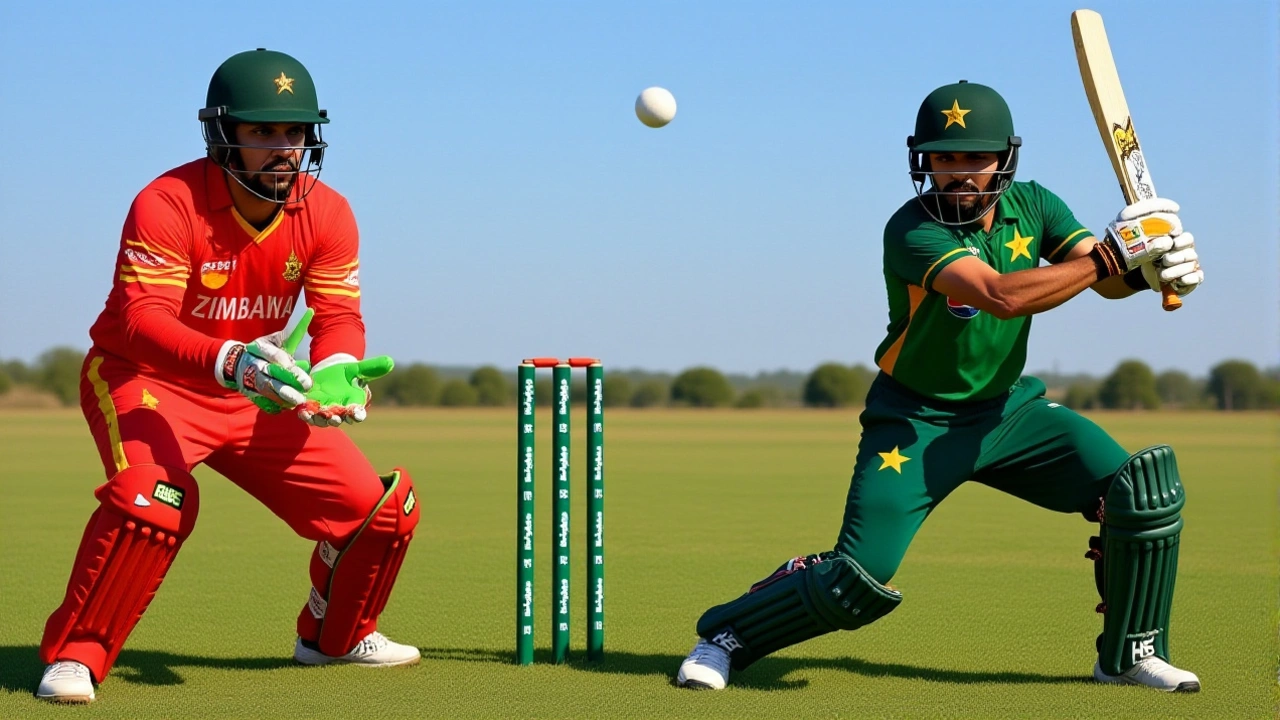
Pakistan now holds all the cards. A win against Zimbabwe on November 25 in Lahore would seal the series. Sri Lanka, meanwhile, faces a brutal reality check: their batting depth is nonexistent, their spin attack is toothless, and their captaincy looks reactive, not strategic. If they don’t overhaul their approach, their next tour to Pakistan might not come for years.Meanwhile, the PCB is quietly celebrating. This series was meant to test readiness for the 2026 T20 World Cup. If this performance is any indication, Pakistan isn’t just ready—they’re dangerous.
Frequently Asked Questions
How did Mohammad Nawaz’s performance compare to past T20I matches?
Mohammad Nawaz’s 4-0-16-3 was his best T20I bowling figures since 2022 and the best by a Pakistani spinner in a T20I at home since Saeed Ajmal’s 4-18 against England in 2012. His economy rate of 4.00 was the lowest among all bowlers with three or more wickets in the 2025/26 tri-series, highlighting his ability to contain and strike under pressure.
Why was Sahibzada Farhan’s innings considered historic?
Farhan’s 80* off 45 balls was his sixth T20I fifty and the fastest by a Pakistani opener in 2025. Only Babar Azam and Mohammad Rizwan have scored faster fifties for Pakistan in the same year. His strike rate of 177.78 under pressure, with the score at 47/1, made it one of the most clutch innings in Rawalpindi’s T20 history.
What impact did the pitch have on the match outcome?
The Rawalpindi pitch offered consistent turn and moderate pace, favoring spinners early. Sri Lanka’s batsmen struggled to adjust, with only two players scoring over 40. Pakistan’s spinners exploited the conditions brilliantly, while Sri Lanka’s pace attack couldn’t generate enough movement or pace to counter Farhan’s aggression.
How does this result affect Pakistan’s chances in the 2026 T20 World Cup?
This win significantly boosts Pakistan’s confidence ahead of the 2026 T20 World Cup. Farhan’s form, Nawaz’s control, and the team’s fielding cohesion show they’ve solved key issues from past tournaments. If they maintain this momentum, they’re no longer just contenders—they’re genuine title threats in conditions similar to those in Pakistan and India.
Why did Sri Lanka’s batting collapse again?
Sri Lanka’s batting has been inconsistent since their 2024 Asia Cup. Against Zimbabwe, they were bowled out for 95. Here, they failed to adapt to spin and lacked a reliable anchor. Only Liyanage showed composure. Their top order, including Kusal Mendis and Kusal Perera, remains under pressure, and captain Dasun Shanaka’s inability to score runs is becoming a critical flaw.
Who were the key match officials, and why does their involvement matter?
The match was officiated by Pakistani umpires Asif Yaqoob and Faisal Afridi, with TV umpire Rashid Riaz and international referee Reon King. This full Pakistani panel, overseen by a respected international figure, underscores the PCB’s push for domestic umpiring credibility. It also signals confidence in home officials ahead of major global tournaments.